Sources

Sources of Microplastics

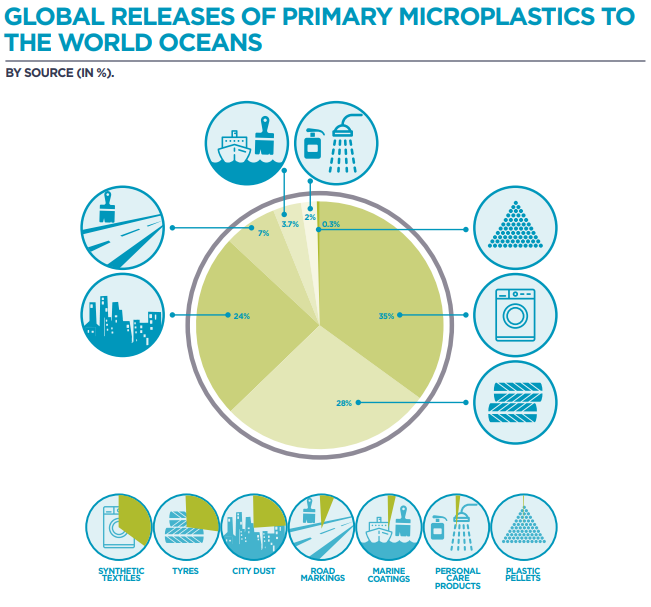
There are two types of plastic loss: unintentional and intentional.
Plastic Pellets

Unintentional Loss

Synthetic Textiles

Unintentional Loss

Tire Abrasion

Unintentional Loss

Road Markings

Unintentional Loss

Marine Coatings

Unintentional Loss

Personal Care Products

Intentional Loss

City Dust

Mainly Unintentional but Partially Intentional
Plastic Pellets

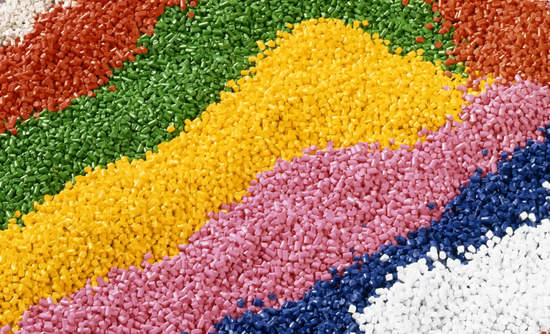
In their primary form, many plastics are in the form of pellets – typically 2-5 mm in diameter – or powders. Pellets are transported to plastic transformers that generate the plastic products. During manufacturing, processing, transport and recycling, pellets can be spilled into the environment through small or large incidents along the whole plastic value chain. Many field studies are reporting the occurrence of plastic pellets in the environment. These are also known as nibs, nurdles or mermaid tears.

Synthetic Textiles

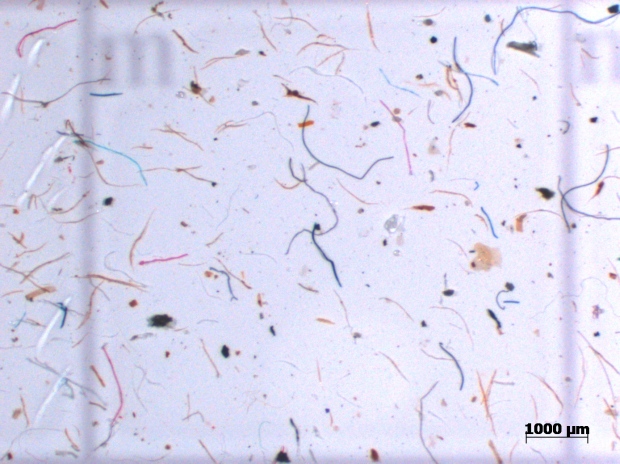
Washing synthetic textiles, in industrial laundries and households creates primary microplastics through abrasion and shedding of fibres. Fibres are then discharged in sewage water and potentially end up in the ocean. Significant amounts of these textile fibres have been observed in many in situ sampling studies both in open water and marine sediments. These fibres are typically made of polyester, polyethylene, acrylic or elastane.

Tire Abrasion

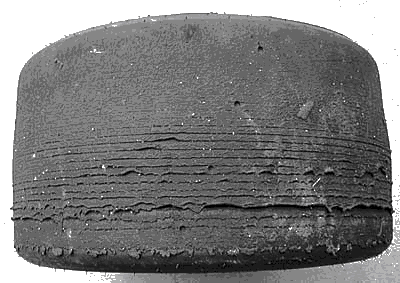
Tires get eroded when used. The particles are formed from the outer parts of the tire and consist of a matrix of synthetic polymers, namely Stirene Butadiene Rubber (approximately 60%), in a mix with natural rubber and many other additives. tire dust will then either be spread by the wind or washed off the road by rain. In this study, losses of synthetic rubber are considered but losses of natural rubber are not. There is no reliable information on the transfer of microplastics from tires to the world’s oceans. Both Norwegian and Swedish researchers have pointed out that a large fraction of particles found in the sea seem to originate from car tires.

Road Markings

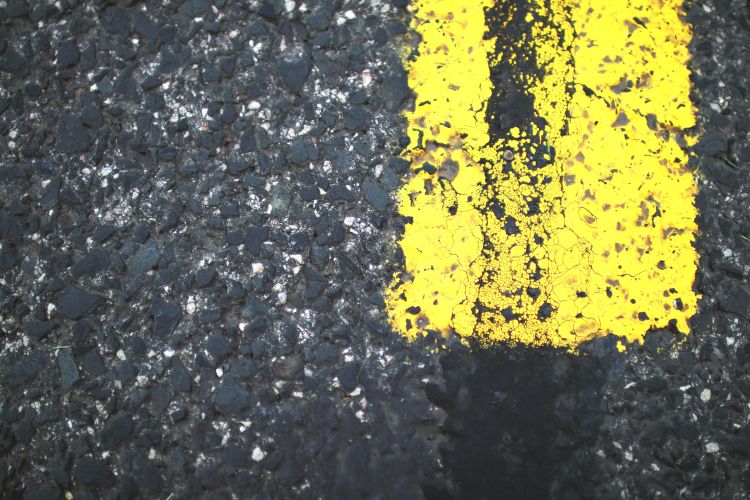
Road markings are applied during the development of road infrastructure and its maintenance. Different types of markings (paint, thermoplastic, preformed polymer tape and epoxy) are applied, with a global dominance of paint (45%). In most European countries, thermoplastics are the most commonly used material. Loss of microplastics may result from weathering or from abrasion by vehicles. As for tires dust will either be spread by wind or washed off the roads by rain before reaching surface waters and potentially the oceans.

Marine Coatings

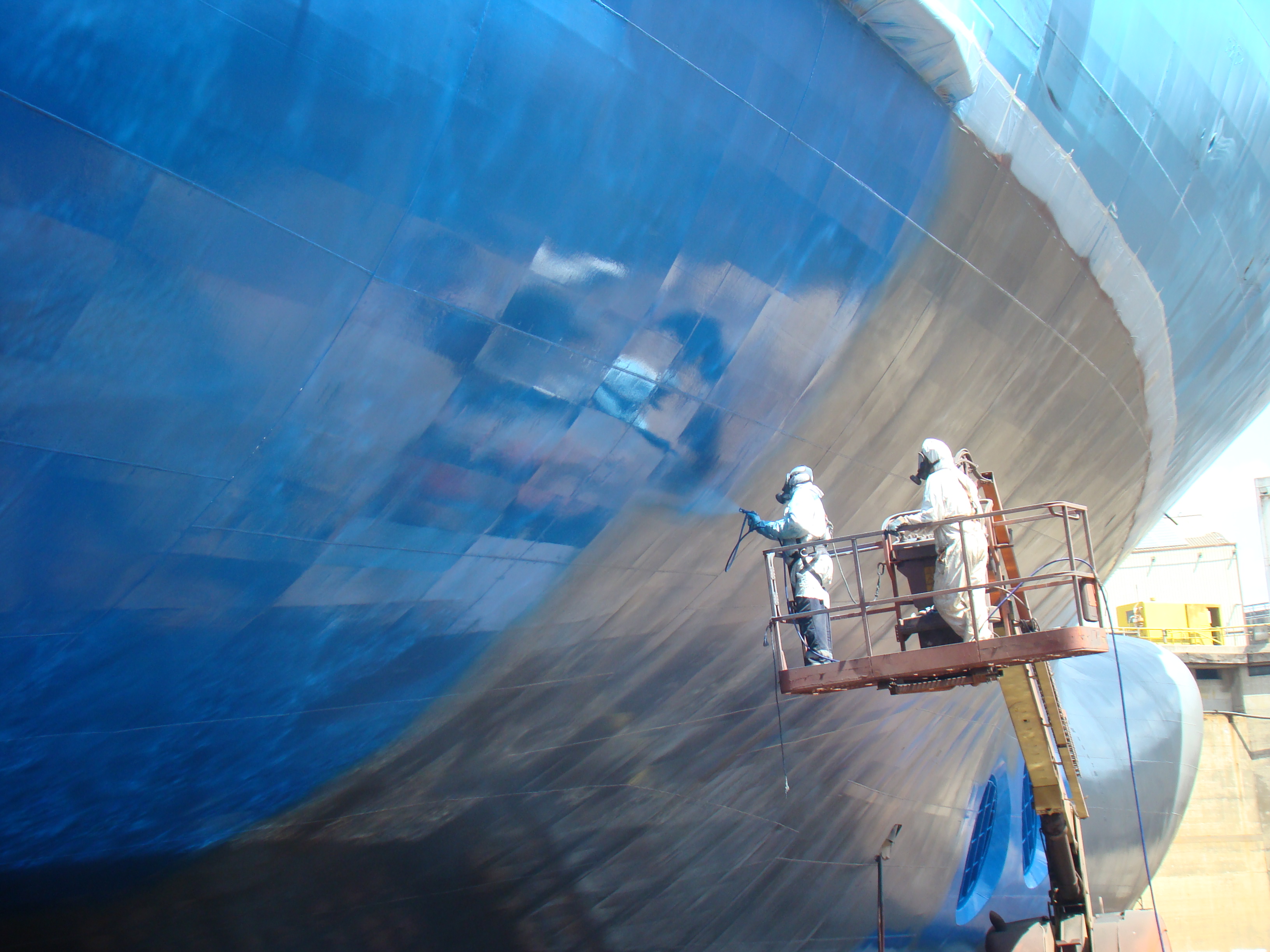
Marine coatings are applied to all parts of vessels for protection including the hull, the superstructure and on-deck equipment. They include solid coatings, anticorrosive paint or antifouling paint. Several types of plastics are used for marine coatings including mostly polyurethane and epoxy coatings and also vinyl and lacquers. Primary microplastics are released from commercial and leisure boats during building, maintenance, repair or use. The key activities that may lead to releases are surface pre-treatment, coating application and equipment cleaning.

Personal Care Products

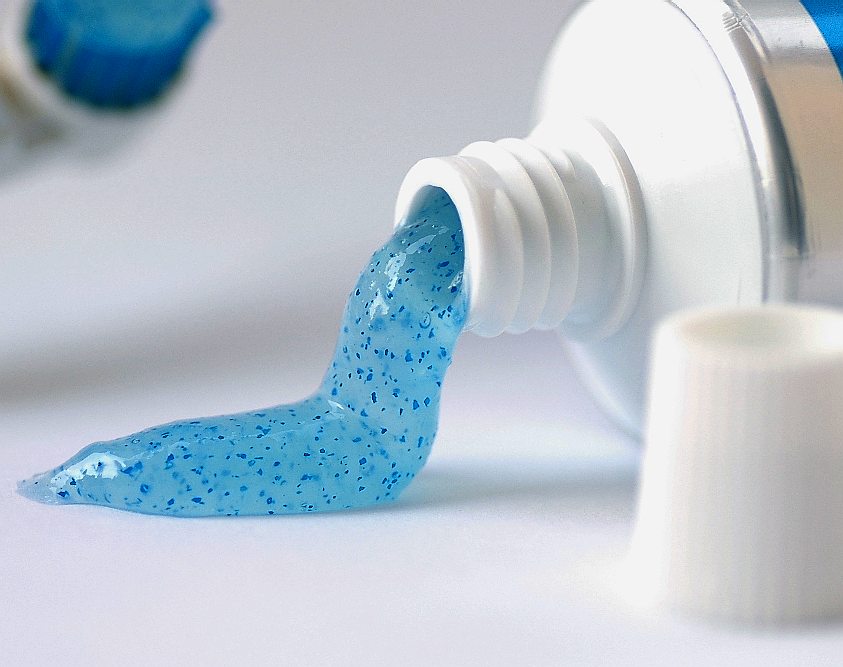
Plastic microbeads are used as ingredients in personal care and cosmetic products for a variety of purposes such as sorbent phase for delivery of active ingredients, exfoliation or viscosity. Some products contain as much plastic added as ingredients as the plastic in which they are packaged. These represent up to 10% of the product weight and several thousand microbeads per gram of product. Classical use of personal care products results in the direct introduction of the plastic particles into wastewater streams from households, hotels, hospitals, and sport facilities including beaches. Microbeads from cosmetics have been observed in field studies in different areas of the world. In 2015, the US Federal Government instituted a ban on microbeads.

City Dust

City Dust is the generic name given to a group of nine sources identified in recent country assessments, that are most often occurring in urban environments. City Dust includes losses from the abrasion of objects (synthetic soles of footwear, synthetic cooking utensils), the abrasion of infrastructure (household dust, city dust, artificial turfs, harbours and marina, building coating) as well as from the blasting of abrasives and intentional pouring (detergents). These sources are grouped together because their individual contribution is small. However together they account for a considerable amount of losses in the country studies.

Synthetic Fibers
Tire Abrasion
City Dust
Road Markings
Marine Coatings
Personal Care Products
Plastic Pellets